The post If Quantum Computing Breaks Through, What Happens to Satoshi’s Bitcoin? appeared com. Why Satoshi’s wallet is a prime quantum target Satoshi’s 1. 1-million-BTC wallet is increasingly viewed as a potential quantum vulnerability as researchers assess how advancing computing power could affect early Bitcoin addresses. Satoshi Nakamoto’s estimated 1. 1 million Bitcoin (BTC) is often described as the crypto world’s ultimate “lost treasure.” It sits on the blockchain like a dormant volcano, a digital ghost ship that has not seen an onchain transaction since its creation. This massive stash, worth approximately $67 billion-$124 billion at current market rates, has become a legend. But for a growing number of cryptographers and physicists, it is also viewed as a multibillion-dollar security risk. The threat is not a hacker, a server breach or a lost password; it is the emergence of an entirely new form of computation: quantum computing. As quantum machines move from theoretical research labs to powerful working prototypes, they pose a potential threat to existing cryptographic systems. This includes the encryption that protects Satoshi’s coins, the wider Bitcoin network and parts of the global financial infrastructure. This is not a distant “what if.” The race to build both a quantum computer and a quantum-resistant defense is one of the most critical and well-funded technological efforts of our time. Here is what you need to know. Why Satoshi’s early wallets are easy quantum targets Most modern Bitcoin wallets hide the public key until a transaction occurs. Satoshi’s legacy pay-to-public-key (P2PK) addresses do not, and their public keys are permanently exposed onchain. To understand the threat, it is important to recognize that not all Bitcoin addresses are created equal. The vulnerability lies in the type of address Satoshi used in 2009 and 2010. Most Bitcoin today is held in pay-to-public-key-hash (P2PKH) addresses, which start with “1,” or in newer SegWit addresses that begin with “bc1.” In these.
Tag: multibillion-dollar
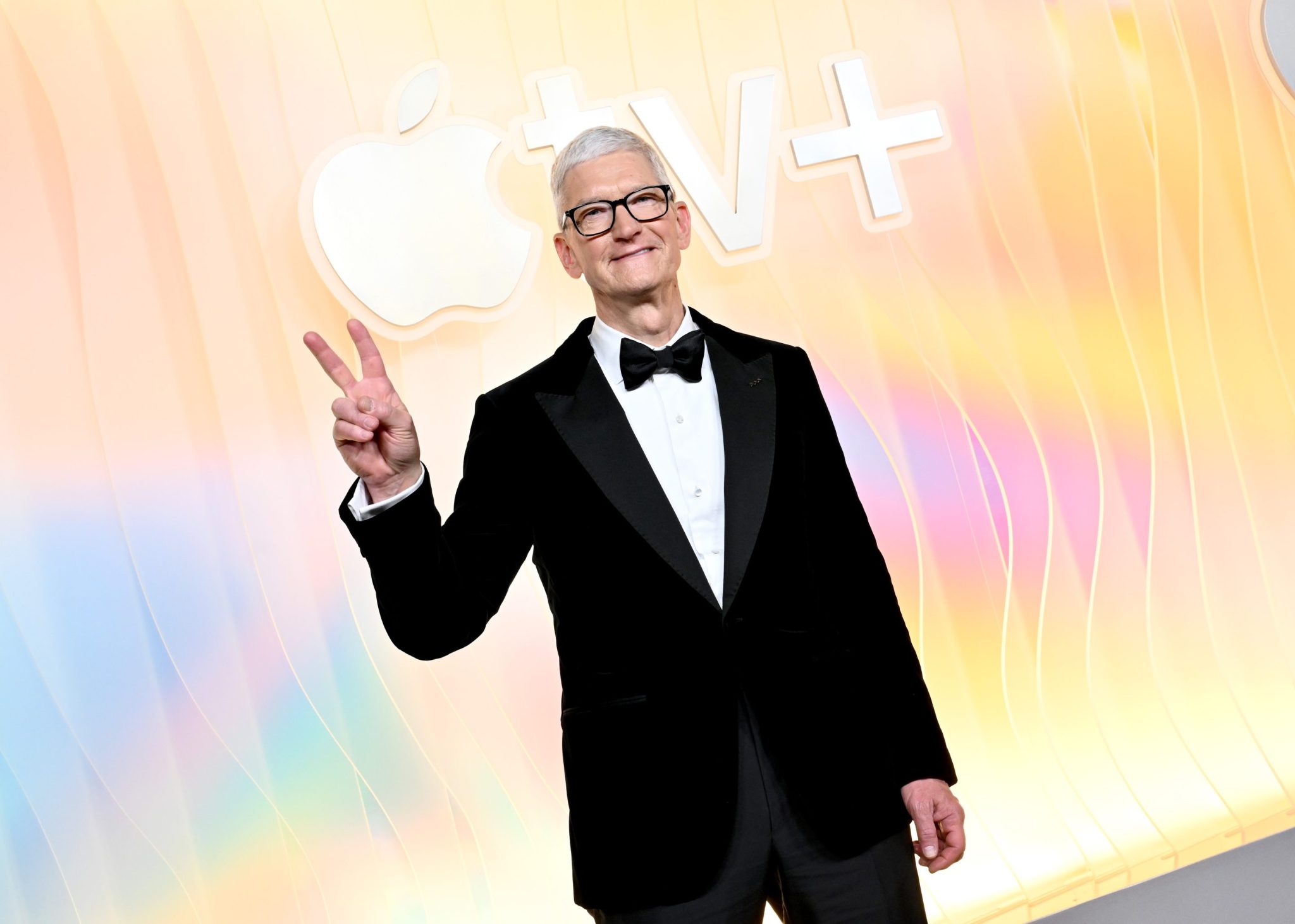
Apple is ramping up succession plans for CEO Tim Cook and may tap this hardware exec to take over, report says
John Ternus, Apple’s senior VP of hardware engineering, could take control of the company as soon as next year, sources told the Financial Times.

ChatGPT drove users to suicide, psychosis and financial ruin: California lawsuits
The plaintiffs include families of four suicide victims and three adults who say they suffered AI-induced delusional disorder.