A federal judge has blocked the Justice Department from searching through a Washington Post reporter’s electronic devices after they were seized by the FBI last month. Instead, the court will conduct the search.
The FBI had seized reporter Hannah Natanson’s phone, laptops, Garmin watch, and portable hard drives as part of an investigation into a government contractor who was later indicted for allegedly disseminating classified material. This move was highly unusual and drew steep criticism and alarm from press groups.
Attorney General Pam Bondi stated the action was aimed at catching a perpetrator of “illegal leaks” that “pose a grave risk to our Nation’s national security.”
The Washington Post requested the court to return Natanson’s property and to place any copies under seal, arguing that a government search could violate her First Amendment rights. Meanwhile, the government argued that filter teams—separate groups of Justice Department lawyers—could review Natanson’s devices and locate any information relevant to their investigation.
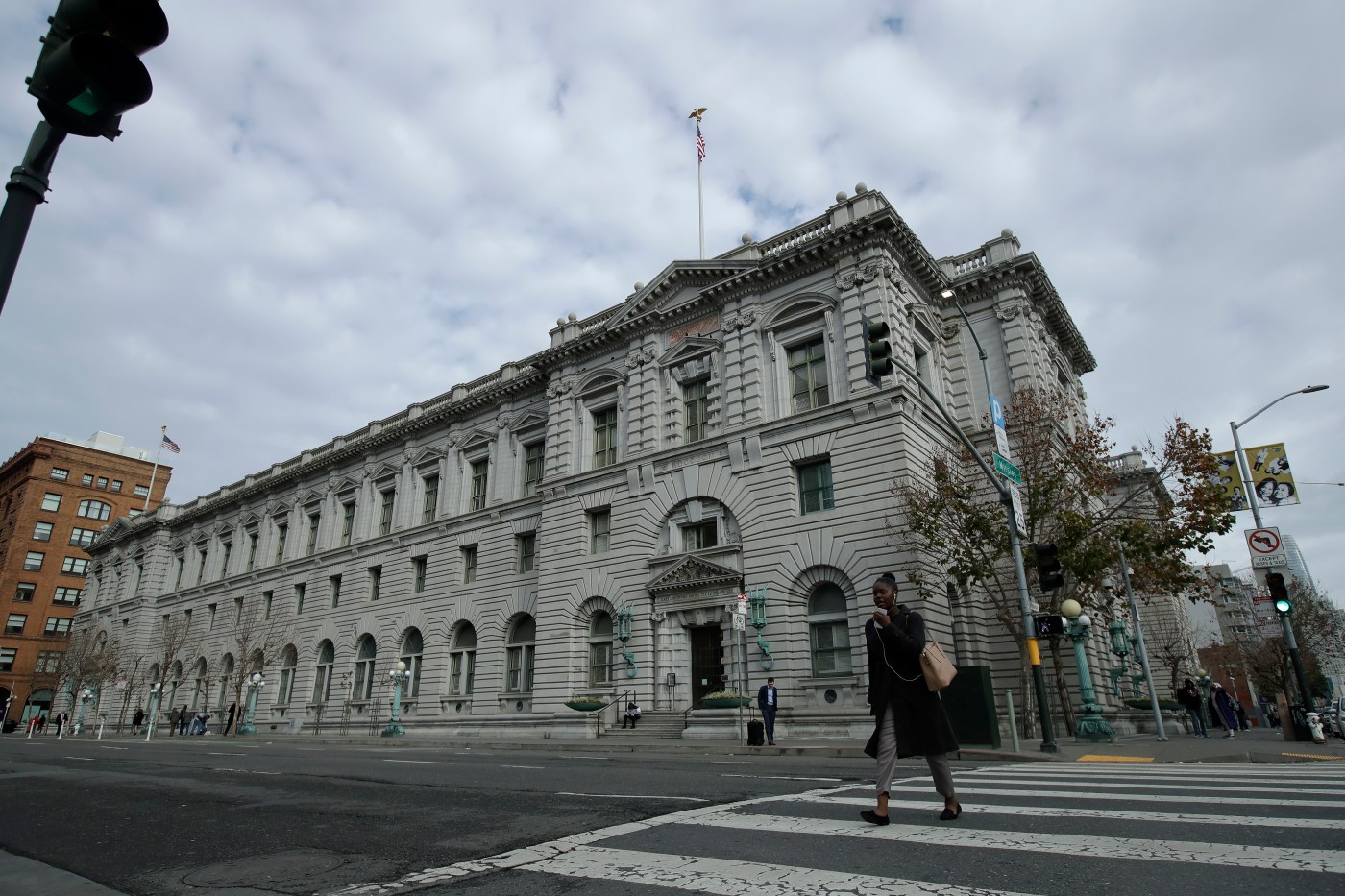
However, in a Tuesday night opinion, U.S. Magistrate Judge William Porter of Virginia rejected the government’s request to conduct the search. He ruled that the court “will conduct an independent judicial review of the seized materials.”
Judge Porter wrote that “allowing the government’s filter team to search a reporter’s work product, most of which consists of unrelated information from confidential sources, is the equivalent of leaving the government’s fox in charge of the Washington Post’s henhouse.” He added that the risk of error—whether by neglect, malice, or honest difference of opinion—is especially high when institutional interests clash with press freedom values.
Porter ordered the government to return all materials to Natanson that fall “outside the limited information authorized by the search warrant.” However, he denied a motion to immediately return all items, emphasizing the seriousness of the case, which involves top secret national security information. Protection of classified information may be necessary before Natanson’s materials are fully returned.
“No easy remedy exists here,” Porter wrote, highlighting how the FBI’s search effectively terminated Natanson’s access to her confidential sources and essential journalistic tools. The government’s proposed solution—that she simply buy new devices, set up new accounts, and start fresh—was deemed “unjust and unreasonable.”
The judge expressed hope that the search was conducted, as the government claims, solely to gather evidence of a crime in one case, and not to collect confidential source information from a reporter who has published articles critical of the administration.
Porter also criticized the government for failing to mention a key federal privacy law in its search warrant application: the Privacy Protection Act of 1980. This law limits the government’s ability to seize reporters’ work product when they themselves are not the targets of an investigation. According to Porter, the government’s omission “has seriously undermined the Court’s confidence in the government’s disclosures in this proceeding.”
This decision came four days after attorneys representing the Post and Natanson faced off against the Justice Department in court. The Post and Natanson argued that seizing the reporter’s devices threatens First Amendment protections by making it difficult for her to work and by endangering confidential sources.
Simon Latcovich, an attorney representing the Post, stated, “It’s not about one reporter or one newsroom, it’s about all confidential government sources.”
The Justice Department maintained that the search executed at Natanson’s home was legal and necessary to investigate a serious leak of highly sensitive information. In court filings, they argued that the First Amendment does not provide “a journalist’s exception to search warrants.” The department also insisted it had proper procedures to review Natanson’s devices and separate privileged materials.
Gabe Rottman, vice president of policy at the Reporters Committee for Freedom of the Press—a nonprofit legal group providing resources to reporters—praised the court’s ruling. He said it was “the right call and the constitutionally appropriate one by taking it upon itself to review the material and in ordering that information unrelated to the underlying investigation will be returned to Natanson.”
https://www.cbsnews.com/news/judge-blocks-doj-from-searching-washington-post-reporter-hannah-natanson-phone-and-laptop/