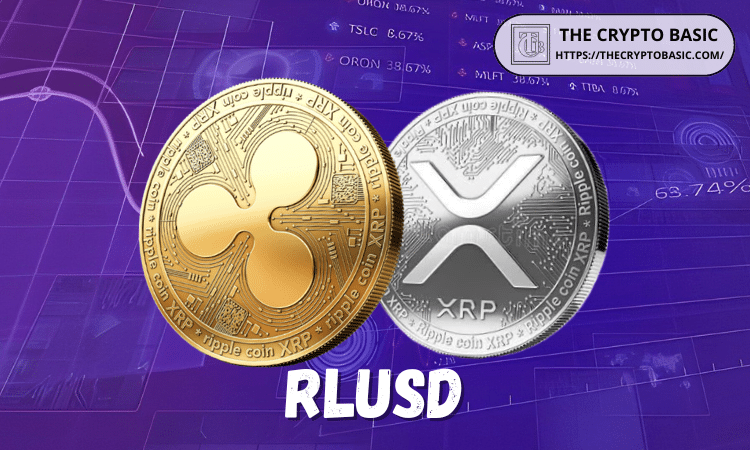
In a remarkable turn of events, the supply of RLUSD, Ripple’s stablecoin, has surpassed the $1 billion valuation mark. Market-tracking platforms such as Ripple Stablecoin Tracker on X and CryptoQuant confirm this milestone. Visit Website.
Tag: blockchain-based
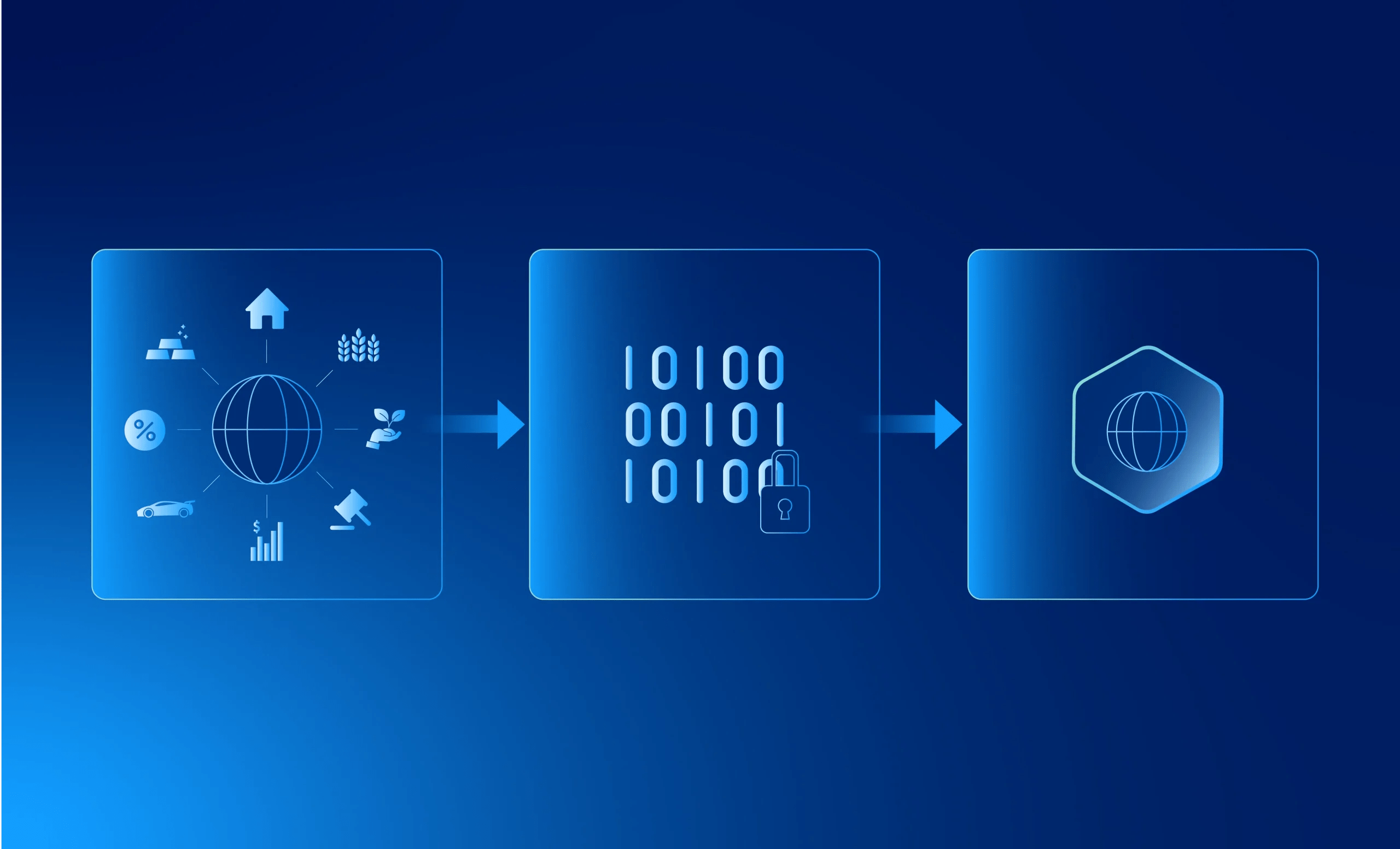
Here’s Why Tokenized Bank Deposits Don’t Stand a Chance Against Stablecoins
The post Here’s Why Tokenized Bank Deposits Don’t Stand a Chance Against Stablecoins appeared com. BlockchainFintech Traditional banks are finally experimenting with blockchain. Yet their latest innovation, tokenized deposits, may be arriving years too late. Financial institutions envision a future where everyday checking balances live on a distributed ledger. But for Omid Malekan, adjunct professor at Columbia Business School, the concept is little more than a digital illusion one destined to be eclipsed by stablecoins. The Great Banking Copycat Moment In the last decade, crypto projects built what banks never could: instantly transferable digital dollars that actually work. Now, banks want in but without giving up control. Their idea is to take customer deposits and issue them as blockchain-based tokens, effectively “on-chain bank balances.” Malekan dismisses the model as self-defeating. Tokenized deposits, he argues, are the blockchain equivalent of a private intranet in an era of global internet connectivity secure, limited, and ultimately obsolete. These instruments would be usable only among customers of the same institution, fenced in by compliance layers like KYC and transaction permissioning. “What use is a token that can’t travel?” he wrote, describing them as digital checking accounts that stop at the bank’s front door. Stablecoins Already Solved the Problem While banks are still building walled gardens, stablecoins have spent years integrating into open networks that now underpin DeFi, cross-border payments, and on-chain commerce. They are interoperable, composable, and transferable without middlemen. Most importantly, they rely on transparent, full-reserve backing not fractional banking to ensure stability. That structure, Malekan argues, makes them safer from a risk perspective. Stablecoin issuers must hold equivalent assets in cash or short-term treasuries, giving them a liquidity profile banks can’t match. Tokenized deposits, by contrast, remain exposed to the same lending risk that defines the traditional system. Why Yields Will Decide Everything The real blow, however, could come from returns. As.

Crypto Whales Join AlphaPepe as the Best Crypto to Buy Now, Surpassing Litecoin and XRP
While established assets like Litecoin (LTC) and Ripple’s XRP continue to hold their ground, high-value investors are rotating into newer [.] The post Crypto Whales Join AlphaPepe as the Best Crypto to Buy Now, Surpassing Litecoin and XRP appeared first on Coindoo.
TRON Users Gain One-Minute Crypto Payments Through New Integration
The goal is to bring frictionless, near-instant blockchain transactions to one of the most active ecosystems in the world. The [.] The post TRON Users Gain One-Minute Crypto Payments Through New Integration appeared first on Coindoo.

North Korean Hackers Expand Global Cyberattacks Using Blockchain Tools
TLDR North Korean hackers are utilizing blockchain technology to develop decentralized command systems. Fake job offers are a common tactic for North Korean cyberattacks. Malware like BeaverTail and OtterCookie is used for credential theft. EtherHiding malware hides payloads on public blockchains for stealth. North Korea-linked hackers are increasing their global cyberattacks using new decentralized and [.] The post North Korean Hackers Expand Global Cyberattacks Using Blockchain Tools appeared first on CoinCentral.